
How Modern Products May Be Triggering Allergies — And What Parents Can Do
For generations, parents have been taught that cleanliness is key to keeping children healthy. But recent science is revealing a surprising truth: being “too clean” may actually harm young children’s immune systems—and even increase the risk of developing allergies, asthma, and eczema.
In today’s world of antibacterial everything, it’s worth asking:
Are we overdoing it?
📊 Allergies Are on the Rise in Young Children
Over the last two decades, doctors have seen a sharp rise in allergic conditions among kids under 8 years old—especially eczema, food allergies, and respiratory sensitivities. Some experts point to environmental factors, but many are focusing on something closer to home:
“Children’s immune systems aren’t getting enough exposure to harmless microbes early on—so they overreact to harmless things later.”
— Dr. Elaine Murray, Pediatric Immunologist
🔍 The Hygiene Hypothesis
This theory, first proposed in the 1980s and now supported by newer research, suggests that over-sanitized environments may limit a child’s exposure to bacteria that are essential for building a strong immune system.
In simpler terms:
When kids aren’t allowed to get dirty, their immune system doesn’t learn what’s dangerous and what isn’t—so it sometimes attacks things like pollen, pet dander, or even food.
🚫 Hidden Dangers in Modern “Clean” Products
Ironically, in our effort to keep kids clean and safe, we may be introducing them to harsh chemicals and allergy-triggering ingredients in daily-use products like:
- Antibacterial soaps
- Scented baby wipes
- Bubble baths
- Chemical-heavy cleaning sprays
These can damage a child’s skin barrier, cause irritation, or lead to sensitivities over time.
🧠 What Every Parent Should Know
Here’s what you can do to keep your child clean and healthy—without overdoing it:
✅ 1. Avoid Antibacterial Overuse
Ordinary soap and water are enough for handwashing and bathing. Antibacterial products often contain ingredients like triclosan, which may disrupt hormones and alter gut bacteria.
✅ 2. Limit Overbathing
Babies and toddlers don’t need daily baths unless they’ve gotten especially dirty. Bathing 3–4 times per week is typically enough to prevent dryness and maintain natural skin oils.
✅ 3. Go Fragrance-Free
Scented products are a top cause of contact dermatitis and respiratory irritation in sensitive children. Unscented, hypoallergenic options are often safer for young, developing skin.
✅ 4. Encourage Outdoor Play
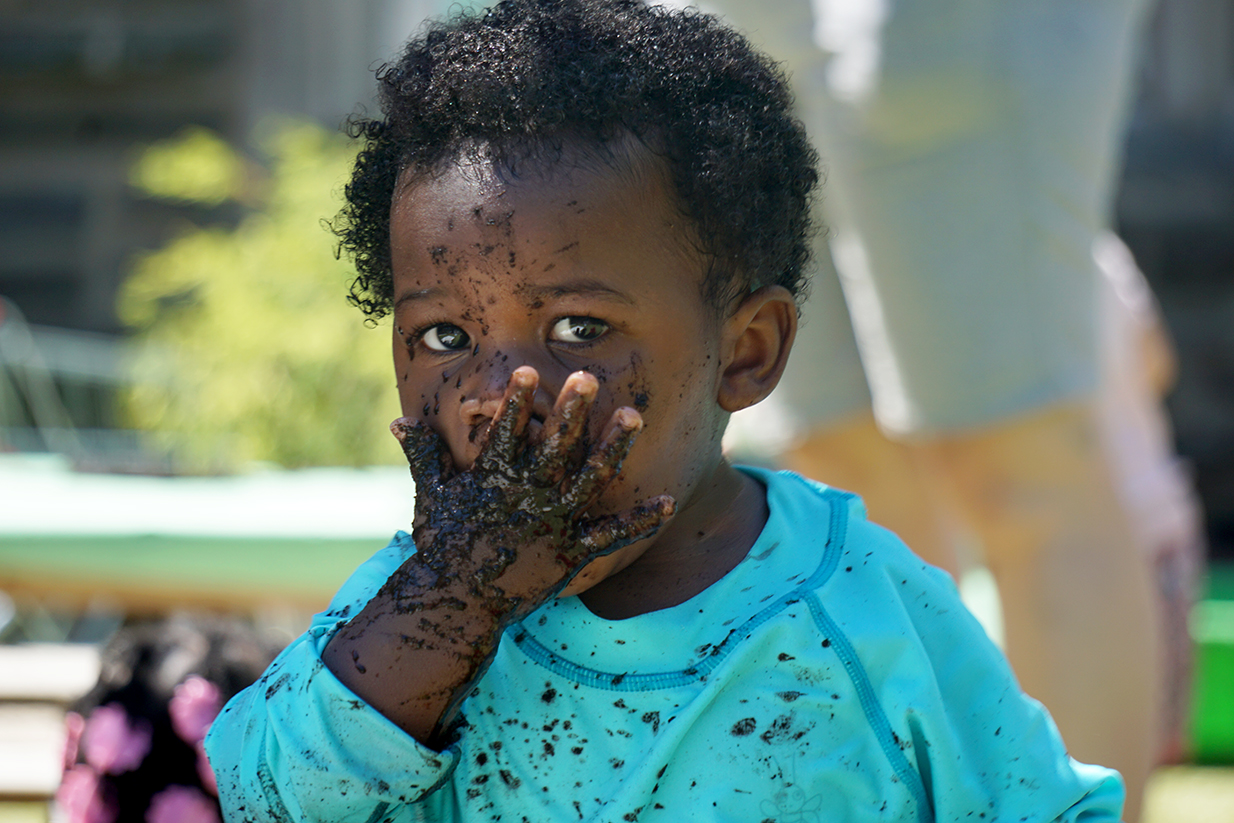
Dirt isn’t dangerous—in fact, exposure to soil and natural environments introduces helpful microbes that support immune training. Let kids dig, crawl, and explore freely.
✅ 5. Support the Skin Barrier
When your child’s skin is dry, itchy, or irritated, use gentle moisturizers to help rebuild the skin barrier, rather than scrubbing or sanitizing excessively.
🌿 Clean Doesn’t Mean Sterile
There’s a big difference between healthy hygiene and chemical-driven sterility. Children thrive in environments where they’re allowed to explore, get messy, and build resilience naturally.
By simplifying your routines, choosing gentle approaches, and trusting in nature’s design, you can help your child grow up stronger—inside and out.
❤️ Final Thoughts
In a world that’s obsessed with sanitizing everything, it can feel risky to dial it back. But the truth is, a little dirt won’t hurt—in fact, it might be just what your child’s immune system needs to thrive.
So the next time your toddler comes inside covered in mud, take a deep breath and smile. You’re not just raising a clean kid—you’re raising a healthy, resilient one.